Preparing Your Home for Winter: Essential Heating and Indoor Air Quality Tips

December 18, 2025

Share this article

Across Ontario, the sun is rising a little later and setting a little earlier. Fall weather will fade and be replaced by the softer winter season. It’s the perfect time to be proactive by ensuring your home’s heating system is ready to go for the chillier weather ahead.


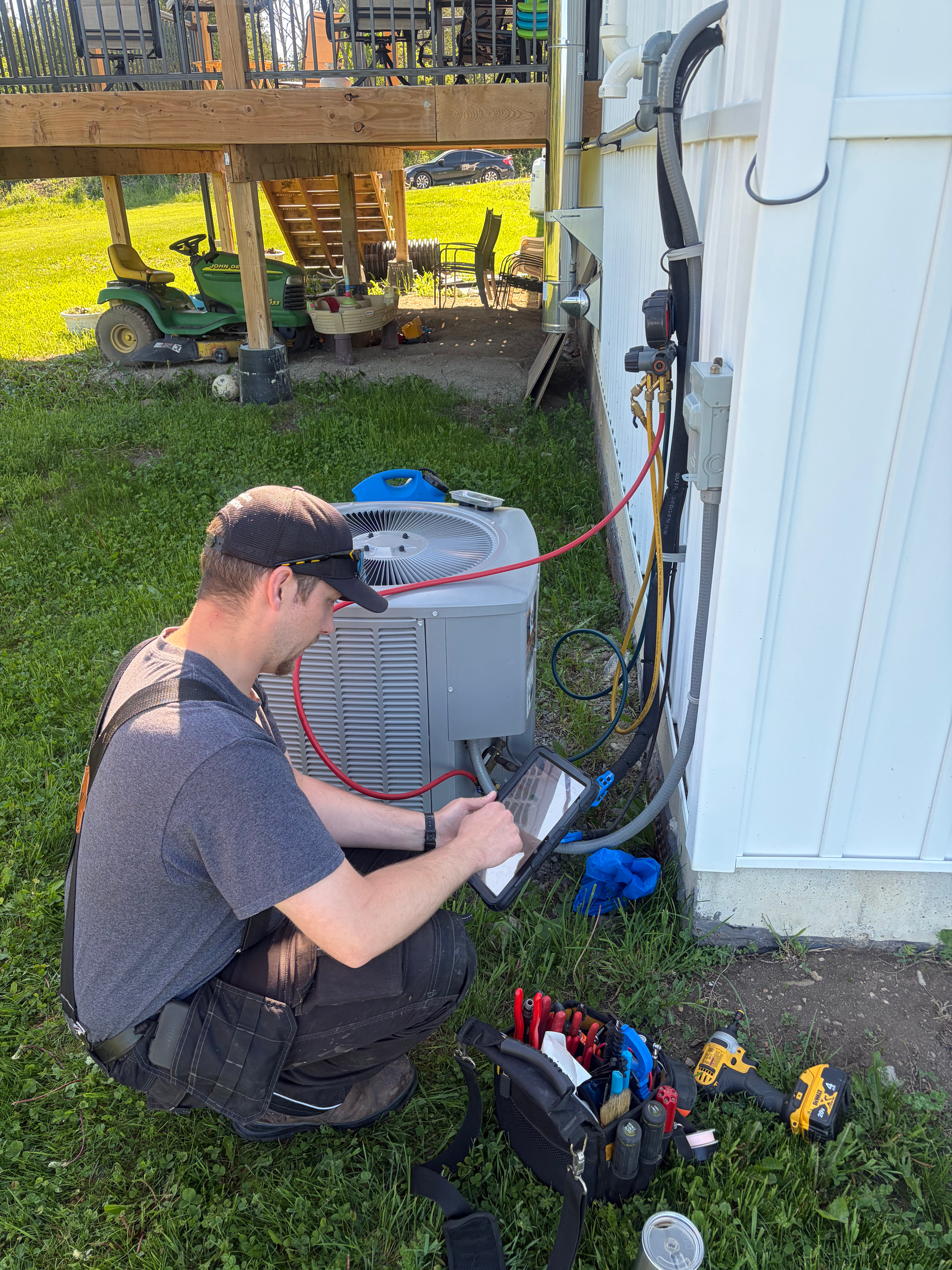
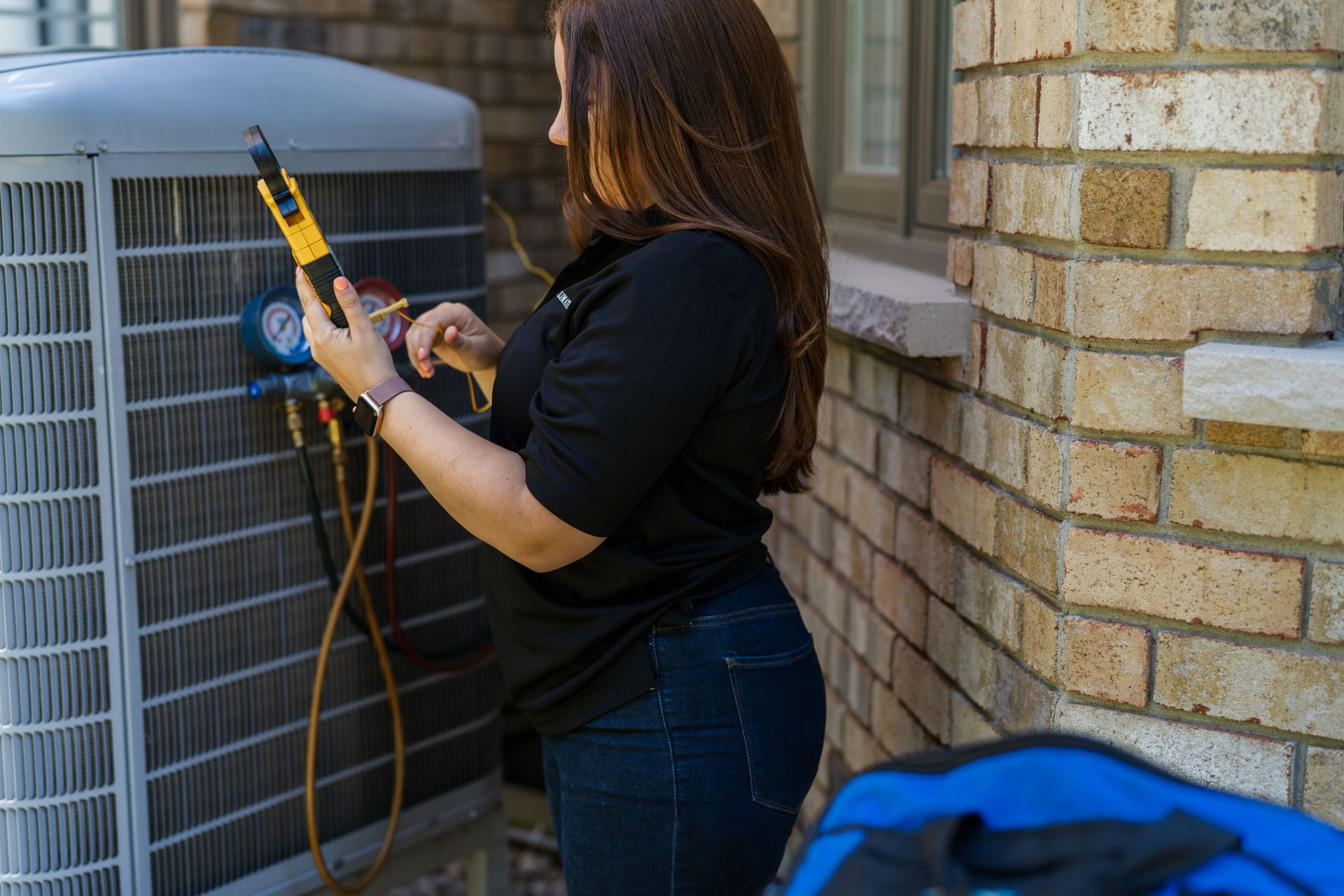
As surely as the first snow prompts a flood of calls to local mechanics and tire shops, the first frosty evening signals the heating season for most of us…and a very, very busy few days at heating servicers across the province. The phones don’t stop ringing with requests for urgent repairs and tune-up appointments alike. To avoid the delays caused by this seasonal spike, book your annual tune-up now with a Dows ClimateCare professional! If you’re not maintaining your mechanical appliances yearly, at least turn on your furnace or heat pump (in heating mode) early, just briefly to test it. If there’s any issue, be sure to call right away and make sure you’re at the front of the line!

WHY SHOULD I MAINTAIN MY FURNACE OR HEAT PUMP?

Heating systems are mechanical appliances. They’ve got motors, belts, bearings, and electronic components – just like your car. And like today’s vehicles, many still use gas, while some are fully electric. Yet, despite these similarities, many people don’t treat them equally. It’s an irony the heating and cooling industry has been working to combat for decades. If most people treated their cars the way they neglect their home’s mechanical appliances, the tow truck industry would be a lot busier! And while everyone seems to know to keep fuel in their car, change its oil, and seek advice when something doesn’t sound or feel right – many of these same people won’t call their heating contractor until the furnace won’t start and the house is cooling down quickly. To avoid getting stuck, have a licensed professional maintain your home comfort systems every year.

WHO SHOULD DO THE MAINTENANCE?

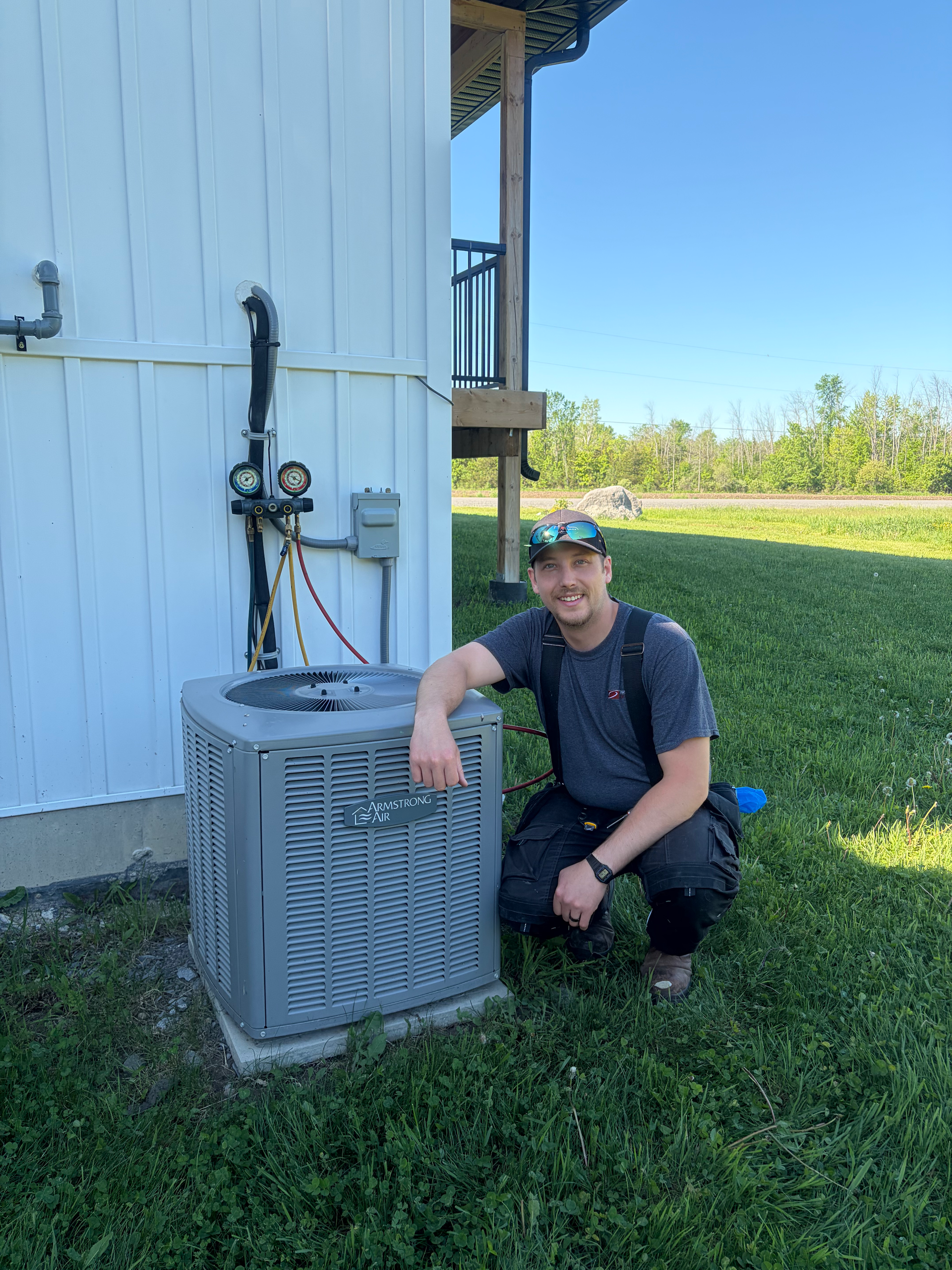
If you’re using gas, they’ll need a gas licence from the TSSA. If your home is heated with a heat pump, make sure your contractor has a 313D Residential Air Conditioning Systems Mechanics licence and is qualified to work on this type of equipment. If you’d like to ensure your systems run at peak e ciency, last longer, and are less likely to fail your family by breaking down, yearly maintenance is key. Whether your system is tuned-up before the big season, or just after it’s over, the benefits are the same. There’s no need to call when it’s busy! And you don’t need to pay full price for a professional to visit, either.


With Dows ClimateCare’s WeCARE maintenance plans, you can do this and save money – not to mention reap other benefits like discounts, front of the line emergency service, and more.

ESSENTIAL COMPONENTS TO CHECK FOR WINTER INDOOR AIR QUALITY

We also know that with the cooler weather arriving, and the children in schools and daycares means germs will spread at peak rates. Many of us don’t prepare for cold and flu season proactively; we hope we don’t get afflicted, but if our throat gets scratchy or our sinuses feel pressured, we reach for a warm drink, a little extra rest, and often a quick trip to the pharmacy. While a healthy diet will always be critical to your health, you might be surprised to learn that your home comfort system plays a big role in it, too!


Most of the air we breathe is indoor air. The EPA has suggested that indoor air can be 25 to 100X denser in pollution than outdoor air. We also know that poor indoor air quality can lead to a bevy of health problems, including chronic respiratory diseases. It can also be less worrisome, but it still has unwanted symptoms like headaches, dry eyes, nasal congestion, nausea, and fatigue. It’s a key way to spread germs like the cold and flu viruses. Luckily, your home comfort system can help protect you! Here are a few ways to stay ahead of the curve of seasonal sickness this year.

1. YOUR FURNACE FILTER

Whether it’s heating or cooling season, and you use a furnace or heat pump with an air handler, the filter placed beside that unit is your first line of defence against airborne particles. In many cases, it’s also your only defence, so it’s critical that it’s working well. Several different quality filters are available, each with a Minimum Effciency Rating Value or MERV rating. The higher the value, the better the filter. Dows ClimateCare recommends using a MERV 11 or higher rating filter, which should filter out about 95% of particulates like lint, pollen, dust mites, mould spores, pet dander and smoke. Moving to a MERV 13 rated filter filtration should increase closer to 98%. It’s worth noting, too, that not all filters are built equally. The “1-inch” thick filters you buy from the hardware store aren’t optimal and should be inspected at least monthly, more frequently if you’re doing renovations around the home or have pets that shed hair.


PRO TIP: Ask Dows ClimateCare about media cabinets that support 5” filters that only need to be changed once or twice, a year and can often easily be retrofitted into your existing furnace or air handler’s ductwork.

2. AIR EXCHANGER

If your home was constructed in the last 20-30 years, there’s a very good chance that it has an air exchanger system. The most common is a Heat Recovery Ventilator or HRV. This unit has a motor and a small, usually round, duct system that lives in your mechanical room. It brings fresh, outdoor air into your system, and during the winter, it works to retain the heat from the stale indoor air it expels and exchanges. If you’d like to retain humidity too, you should look at a similar system known as an Energy Recovery Ventilator or ERV. If you have an older home that doesn’t include such a system, worry not – a Dows ClimateCare professional can do a retrofit installation with ease.


PRO TIP: Have your  HRV or ERV system serviced and cleaned periodically. Particularly because it deals with humid air, annual cleaning and maintenance will ensure that your ventilation system is running smoothly and effciently.

3. HUMIDIFIER

Modern homes have very tight building envelopes; they’re well-sealed and avoid a lot of the ineffciency and discomfort associated with older, drafty buildings. One challenge this creates is the lack of consistency in humidity between the seasons. When you’re heating in the winter, and bringing in cold, dry air from the outdoors through the HRV, your home’s humidity can dip. Most experts agree that about 30-40% relative humidity is ideal for indoor environments during the winter months. If you’re seeing numbers below this range in your home, or see symptoms like dry, itchy skin, or nose bleeds in extreme cases, be sure to ask your heating professional about installing a whole-home humidifier. It’s probably a lot less expensive than you’d expect and can have a huge impact on your well-being and health if you’re breathing overly dry air!


PRO TIP: A central humidifier also has a “filter” or pad, like your furnace, that needs to be changed. Generally, once a year is fine; be sure to set a note in your calendar as a reminder to change it.

4. UV-C

Whether you’ve got a basic furnace filter or a full HEPA system, these systems are designed to remove particulates from the air you breathe. For people who want to go a step further, we recommend UV-C lights. UV-C effectively controls mould and bacteria growth on your air conditioner’s indoor coil – a surface that normally has the two things mould likes most – darkness and moisture. Surface treatment with UV-C light is a proven way to keep your air conditioner’s indoor coil clean.


PRO TIP: Keep your paint cans and other chemicals away from your mechanical room! Far too often we see these items kept right beside the furnace. Paints and other chemicals contain volatile organic compounds. These VOCs can be dangerous to your health. Please store them somewhere else that’s not so close to the lungs of your home’s air circulation system!

PROTECT YOUR COMFORT AND HEALTH THIS WINTER

Getting your home ready for winter is simple with the right proactive steps. From checking your furnace to improving indoor air quality with filters, humidifiers, and UV-C technology, a few small actions now can lead to big benefits in comfort and health when colder weather arrives. If you’re not yet enrolled in a maintenance plan, consider joining Dows ClimateCare’s WeCARE program for reliable service, savings, and peace of mind all season long. Connect with a Dows ClimateCare expert today to keep your home comfortable and healthy as winter settles in!

Recent Posts

December 18, 2025
In this blog post, we describe 3 common gas fireplace problems that you can prevent with annual service. See how Dows ClimateCare can help.
November 24, 2025
Heat pumps heat and cool your home and offer many other benefits. Learn about why heat pumps are the smart choice and how Does ClimateCare can help.

October 9, 2025
If you’re planning an upgrade (or trying to avoid a surprise leak), the life expectancy of water heaters is something you’ll want to understand. In Canada, conventional tank-style water heaters generally last about a decade (sometimes longer with great water quality and maintenance), while modern tankless models can reach two decades or more with proper care. This post explains how and why lifespans differ, the wear-and-tear patterns to watch, what maintenance really adds to service life, how insurance and warranties factor in, and how to choose between tank and tankless for your household’s needs. What Appliance “Life Expectancy” Really Means A manufacturer’s warranty is not the same as expected service life. Warranties (often 6–12 years for tanks; longer heat-exchanger warranties for many tankless models) indicate how long the maker will stand behind key components. It’s not a promise of f ailure at year 13. Real lifespan depends on usage, water quality, installation quality, and maintenance. Dows ClimateCare sees a typical practical range of ~10–15 years for tanks and ~20 years for tankless, in line with Canadian utility guidance. Typical Canadian Water Heater Lifespans Tank (gas or electric): about 10–15 years in Canadian conditions Tankless (gas): about 20 years on average with proper maintenance. Heat Pump Water Heater (hybrid tank): efficiency standout; lifespan often similar to electric tanks, with maintenance needs for filters/condensate and adequate space/air volume. Why Hot Water Tanks And Tankless Heaters Wear Differently Tank Water Heaters: Corrosion And Sediment Are The Enemies Steel tanks are lined and protected by a sacrificial anode rod . Over time, that rod depletes. Once it’s spent, corrosion accelerates inside the tank. Add sediment buildup from hard water, and you get hotter spots, noise (popping/rumbling), and stress on the glass lining, which eventually leads to leaks. Proactive anode checks and periodic tank flushing slow this arc. Many Canadian utilities note a practical replacement window near the 10–15 year mark because corrosion risk rises sharply after that point. Tankless Water Heaters: Watch for Scaling And Flow With no storage tank to rust through, the main wear item is the heat exchanger. Hard water scale insulates heat transfer surfaces, forces higher burner or element output, and can trigger error codes. Annual (sometimes biannual) descaling in hard-water areas keeps efficiency and extends life; Canadian manufacturers explicitly recommend professional descaling. Well-maintained tankless units commonly reach ~20 years in Canadian guides, but neglected scale in hard-water regions will cut that short. Policy Context: Insurance, Codes, And Risk Even if a tank still “heats,” many Canadian insurers tighten coverage or require replacement at around 10 years because of the water-damage risk if a tank fails. It’s common to see exclusions , higher deductibles, or coverage refusals for older tanks, so check your policy. Gas-fired appliances also fall under provincial safety regimes. Bodies like TSSA in Ontario emphasize regular servicing and the importance of pressure relief valves being installed and functional. Factors That Shorten Or Extend Service Life Water Quality (Hardness): Hard water accelerates scale (tank and tankless). Treatment and maintenance meaningfully extend life. Usage Profile: Large families, recirculation loops, and high setpoints mean more run-time and wear. ( NRCan notes domestic hot water is a major energy load; efficiency and operation choices matter.) Installation Quality: Proper venting, gas sizing, condensate handling, and combustion air (for gas) prevent chronic stress. ClimateCare members are trained to these standards. Maintenance: Tanks: annual flush; anode inspection every few years; test the T&P valve. Tankless: clean inlet screens, verify combustion/venting, and descale per water hardness. Tanks: Pros, Cons, And Real-World Life Expectancy Pros: Lower upfront cost; simple, widely serviceable; works with existing plumbing. Cons: Corrosion risk; standby heat loss; higher flood risk on failure; space required. Life Expectancy: Plan for 10–15 years; replace proactively near the insurer’s age limit to avoid coverage surprises. Maintenance Needs: Annual draining/flushing to remove sediment; anode checks; verify temperature/pressure relief operation. These steps reduce overheating and internal rusting that shorten life. Tankless: Pros, Cons, And Real-World Life Expectancy Pros: Long life potential (~20 years average); compact; high efficiency; endless hot water (within flow limits). Cons: Higher upfront; needs correct gas line/venting; scale control is essential for longevity; cold-climate inlet temperatures may require sizing for peak flow or recirculation strategies. Life Expectancy: 20+ years with proper servicing. Book annually at least. Maintenance Needs: Annual professional descaling in hard-water areas; clean inlet water/air filters; verify condensate neutralizer (for condensing models). These help the heat exchanger last decades. Heat Pump Water Heaters (Hybrid Tanks): Where They Fit These units pull heat from the air to warm water but can switch to electric elements for faster heating. They’re “hybrid” because they use both air-source heating and electric resistance heating in one system. Efficiency: Natural Resources Canada notes ENERGY STAR® HPWHs use up to ~70% less electricity than standard electric tanks—excellent for households on electric rates or looking to cut emissions. Life Expectancy: Often similar to electric tanks for the storage portion, with added maintenance around filters/condensate and attention to room size/air volume. Choose units with accessible components and strong warranties, and lean on a pro for correct placement and noise management Typical Warranties Tank warranties are commonly 6–12 years on the tank/parts; tankless often carry long heat-exchanger warranties with shorter terms on parts/labour. A longer warranty usually reflects better materials or anode strategy—but water quality and maintenance still rule real-world lifespan. Dows ClimateCare can walk you through terms across brands so expectations match your home’s conditions. Maintenance Schedules That Add Years Annual Service: Provincial safety authorities recommend regular servicing for gas appliances to maintain safe, efficient operation. Tanks (Every 12 Months): Drain/flush; inspect anode (every 2–5 years or per condition); test T&P valve; check venting/draft (gas). Tankless (Every 12 Months, or 6–12 in Hard Water): Descale; clean inlet screens; verify combustion/venting; check condensate neutralizer media. If you prefer “set-and-forget,” Dows offers w ater heater maintenance plans that schedule these tasks so lifespan isn’t left to chance. Signs You’re Near End-Of-Life Here’s what to watch for if you suspect your hot water tank is at the end of its life: Age Threshold: At or beyond ~10 years for tanks (review insurance implications). Rust-Tinted Hot Water Rumbling/Knocking Frequent Resetting or Pilot/Code Issues Visible Leaks/Corrosion If you see these and the tank is older, plan replacement before a failure. Dows’ own guide flags 10–20 years as an overall outer range depending on care and conditions. How To Choose—No “One Right Answer” Use this quick framework with your Dows advisor: Household Pattern: Large families with simultaneous showers/laundry may need higher tankless flow, a recirculation solution, or a larger tank. Water Quality: Hard water? Budget for treatment and descaling (tankless) or more frequent flush/anode checks (tank). Space & Venting: Tight utility rooms, sidewall clearances, and vent routes can favour one option over another—Dows assesses onsite. Fuel & Rates: Natural gas availability, electricity prices, and off-peak plans influence lifetime cost; HPWHs can shine on electric. Risk Tolerance: If a basement flood would be catastrophic, a proactive tank replacement or a tankless upgrade may be worth it, given insurance realities. Cost And Risk: Total Ownership View of Each Upfront: Tanks win on purchase/installation cost. Financing is often available as well. Operating Cost: Tankless and HPWHs typically spend less over time, especially with high usage. NRCan/utility guidance supports the energy advantage of tankless and HPWHs vs. standard tanks. Failure Risk: Tanks can leak and cause water damage at end-of-life; insurers often enforce replacement age limits. Tankless failures are more likely to be no-heat events rather than damaging floods. What To Expect On Installation Day (And After) Site Prep & Permits: Proper gas sizing, venting clearances, and drainage/condensate handling (for condensing/tankless). ClimateCare members follow manufacturer instructions and Canadian codes. Commissioning: Gas pressure/combustion checks, leak tests, flow verification, and control setup matter for lifespan and warranty. Owner Orientation: We’ll review maintenance intervals (flush or descale), setpoints, and what to watch/listen for so small issues don’t become expensive ones. Then we can enroll you in a maintenance plan so it stays on schedule. Upgrade Your Hot Water with Dows ClimateCare Today  When you understand the life expectancy of water heaters, there’s no “gotcha” at year ten. If you want a tailored plan (and no surprises), talk to Dows ClimateCare for an assessment, right-sized options, and a maintenance schedule that keeps your next water heater on the long end of its lifespan. Dows has served Kingston, Trenton, Belleville and area for decades with hot water solutions, maintenance plans, and answers on home comfort. Contact us today to upgrade your tank or tankless system.